Regular Cleaning in Homes, Offices, and Everyday Spaces: Why It Matters More Than You Think
Regular cleaning is one of the simplest habits that can dramatically improve the way a home, office, or shared environment looks, feels, and functions. While it may seem like a routine chore, regular cleaning supports better hygiene, preserves surfaces, reduces allergens, and helps people feel more comfortable in the spaces they use every day. Whether you live in a small apartment, manage a busy household, or oversee a workplace, maintaining a consistent cleaning routine can make a noticeable difference in both appearance and health.
In many cases, people wait until dirt becomes visible before they act. However, regular cleaning works best when it is proactive rather than reactive. By staying ahead of dust, grime, and clutter, you can avoid bigger problems later and create a cleaner, more organized environment. This is especially important in high-traffic areas where germs, spills, and debris build up quickly. With the right approach, regular cleaning becomes less of a burden and more of a smart, practical system.
Beyond cleanliness itself, there is also a strong psychological benefit. A tidy space often feels calmer, more welcoming, and easier to manage. That is one reason regular cleaning is closely linked with productivity, peace of mind, and even better daily habits. When the environment supports you, it becomes easier to focus, relax, and enjoy the space around you.
What Regular Cleaning Really Means
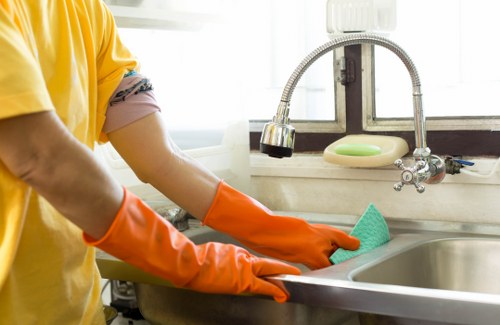
Regular cleaning refers to routine cleaning tasks performed on a consistent schedule to prevent dirt, dust, and clutter from building up. It includes daily, weekly, and monthly activities such as wiping surfaces, vacuuming floors, sanitizing touchpoints, and organizing common areas. The goal is not perfection; it is consistency. A space that receives regular attention tends to stay cleaner for longer and requires less intense effort over time.
Unlike deep cleaning, which targets hidden grime and neglected spots, regular cleaning focuses on ongoing maintenance. It is the foundation of any practical cleaning plan because it keeps problems from escalating. For example, wiping a kitchen counter after each use takes less time than scrubbing dried spills later. The same idea applies to bathrooms, offices, entryways, and shared spaces.
Another important aspect of regular cleaning is that it creates structure. When you know what needs to be done and when, cleaning becomes more manageable and less overwhelming. This is one reason many households and businesses create simple checklists. A clear routine helps people stay on track without feeling like every task has to be completed all at once.
The Health Benefits of Regular Cleaning

One of the biggest reasons people invest in regular cleaning is health. Dust, pet dander, mold spores, bacteria, and food residue can accumulate quickly in overlooked areas. When these substances are left alone, they may contribute to allergies, unpleasant odors, and a less sanitary environment. Consistent cleaning helps reduce these risks and supports a healthier indoor atmosphere.
Regular cleaning is especially valuable for households with children, older adults, or people with respiratory sensitivities. Clean floors, sanitized surfaces, and dust-free furniture can help limit exposure to common irritants. In shared workplaces, regular cleaning also helps reduce the spread of germs through high-touch surfaces like door handles, keyboards, elevator buttons, and shared equipment.
There is also a relationship between regular cleaning and food safety. In kitchens, crumbs, spills, and grease can attract pests or create conditions where bacteria grow. By cleaning counters, sinks, and appliances frequently, you help maintain a safer cooking environment. This is one of the most practical reasons why regular cleaning should never be treated as optional.
Common health-related benefits include:
- Reduced dust and allergens in the air
- Lower risk of bacterial buildup on surfaces
- Improved indoor air quality
- Less chance of pest attraction due to food residue
- Cleaner, safer shared spaces for everyone
How Regular Cleaning Improves Appearance and Comfort
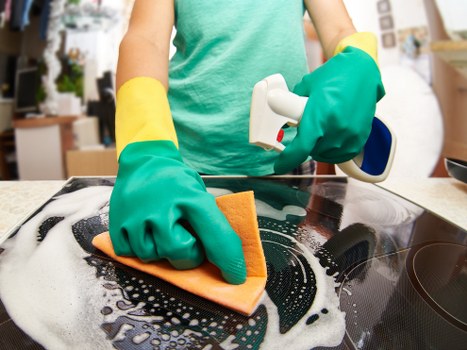
Clean spaces simply feel better. Regular cleaning helps maintain a polished appearance that makes rooms look brighter, more open, and more welcoming. Even simple habits like dusting shelves, vacuuming carpets, and keeping counters uncluttered can significantly improve the way a room presents itself. For homeowners, this creates a more pleasant living space. For businesses, it supports a more professional impression.
A clean environment also influences comfort. Clutter-free surfaces are easier to use, floors feel more inviting, and rooms are easier to navigate. Regular cleaning reduces the visual noise that can make a space feel chaotic. When surroundings are orderly, people often feel more at ease and less distracted.
In commercial settings, regular cleaning can directly affect customer perception. Clients, visitors, and employees all notice when a space appears well maintained. A clean lobby, restroom, or waiting area signals care, reliability, and attention to detail. That is why many organizations view cleaning as part of their brand image rather than just a maintenance task.
Why appearance matters in regular cleaning
Clean spaces create trust. They suggest that the people responsible for the environment value hygiene, order, and professionalism. Whether it is a home or a workplace, regular cleaning helps create a positive first impression and supports a more enjoyable daily experience.
Regular Cleaning vs. Deep Cleaning

People often confuse regular cleaning with deep cleaning, but they serve different purposes. Regular cleaning is the ongoing maintenance that keeps a place presentable and healthy. Deep cleaning is more intensive and typically targets areas that are not addressed as often, such as behind appliances, inside vents, grout lines, or baseboards.
Both are important, but regular cleaning should happen far more frequently. Without it, deep cleaning becomes more difficult and time-consuming. A consistent routine helps prevent buildup so that the occasional deeper session is easier to complete. In other words, regular cleaning makes deep cleaning more effective.
Think of it like caring for a car. Washing the exterior and checking the interior regularly prevents too much dirt from accumulating, while a full service handles the bigger maintenance needs. The same principle applies to cleaning a home or office: regular cleaning handles the daily or weekly upkeep, while deep cleaning addresses the areas that need extra attention.
Typical differences between the two
- Regular cleaning: dusting, sweeping, wiping, vacuuming, sanitizing touchpoints
- Deep cleaning: scrubbing hidden grime, cleaning behind large furniture, washing walls, detailed appliance care
- Frequency: regular cleaning happens often; deep cleaning happens less frequently
- Effort: regular cleaning is lighter and quicker; deep cleaning is more labor-intensive
Creating a Practical Regular Cleaning Routine
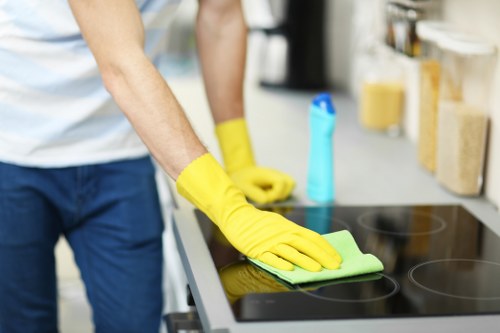
The best regular cleaning routine is one that fits your lifestyle and space. A busy family, a small apartment, and an office environment will each need different routines. The key is to create a system that is realistic enough to follow consistently. A simple routine is usually more effective than an ambitious one that gets abandoned after a week.
Start by dividing tasks into daily, weekly, and monthly responsibilities. Daily tasks should focus on high-use areas like kitchens, bathrooms, and entryways. Weekly tasks can include vacuuming, dusting, and cleaning mirrors or glass. Monthly tasks may involve wiping inside cabinets, washing walls, or organizing storage areas. This structure keeps regular cleaning manageable and predictable.
It also helps to assign tasks based on time and effort. Some jobs only take a few minutes, while others need a longer block of time. By spreading tasks across the week, you avoid last-minute cleaning marathons. This is particularly useful for families and teams who share responsibility. A shared plan can reduce stress and improve consistency.
Sample routine for regular cleaning
- Daily: wipe counters, wash dishes, take out trash, tidy surfaces, sanitize frequently touched areas
- Weekly: vacuum carpets, mop hard floors, clean bathrooms, dust furniture, change bedding
- Monthly: clean appliances, wipe skirting boards, organize closets, disinfect overlooked corners
Regular Cleaning in the Kitchen
The kitchen is one of the most important spaces for regular cleaning because it combines food preparation, storage, and heavy daily use. Spills, crumbs, and grease can collect quickly, and if they are ignored, they may create odors, attract pests, or make surfaces harder to clean later. A routine kitchen cleaning schedule helps maintain safety and hygiene.
Common kitchen tasks include wiping counters after food prep, cleaning the sink, sanitizing handles and appliance buttons, sweeping floors, and checking for expired items in the refrigerator. Regular attention also keeps appliances in better condition. For example, removing grease from stovetops and cleaning microwave splatters helps prevent long-term buildup.
A clean kitchen is not only healthier; it is also more enjoyable to use. Cooking feels easier in a well-kept space, and cleanup becomes less stressful when messes are addressed right away. In many homes, the kitchen is the center of activity, which makes regular cleaning essential for everyday comfort and function.
Kitchen cleaning priorities
- Wipe food-prep surfaces after each use
- Sanitize sinks and faucets regularly
- Keep floors free of crumbs and spills
- Clean refrigerator shelves and handles
- Empty trash bins before odors build up
Regular Cleaning in Bathrooms
Bathrooms require consistent care because moisture, soap residue, and frequent use can quickly lead to buildup. Regular cleaning in bathrooms helps reduce unpleasant smells, keeps fixtures shining, and supports a more sanitary environment. Since bathrooms are among the most frequently used spaces in any property, they benefit greatly from routine attention.
Essential bathroom tasks include cleaning sinks, toilets, mirrors, showers, tubs, and floors. It is also important to sanitize high-touch areas such as faucet handles, flush buttons, and door handles. Drying surfaces after use can help reduce soap scum, water spots, and mildew. These small actions make a big difference over time.
Bathrooms can become difficult to manage when cleaning is delayed. Regular cleaning prevents that problem by keeping moisture and grime under control. A few minutes spent each day or several times a week can help maintain freshness and reduce the need for larger cleaning sessions later.
Tips for bathroom upkeep
- Use a quick daily wipe-down for sinks and counters
- Ventilate the room to reduce moisture
- Use mild but effective cleaners on surfaces
- Spot-clean mirrors and glass to keep them clear
- Address mildew early before it spreads
Regular Cleaning in Living Areas and Bedrooms
Living rooms and bedrooms often look tidy at first glance, but they still need regular care to prevent dust and clutter from building up. These areas gather dust on shelves, under furniture, on electronics, and in fabrics. Regular cleaning in these spaces helps improve comfort, reduce allergens, and maintain a calm atmosphere.
In bedrooms, regular tasks might include making the bed, vacuuming, dusting nightstands, and changing linens. In living rooms, it may involve vacuuming upholstery, wiping surfaces, organizing remotes or magazines, and cleaning around entertainment units. These habits keep the room feeling fresh and usable.
One often overlooked benefit of regular cleaning in private spaces is better sleep and relaxation. A neat, dust-free bedroom can feel more restful, while a clean living room creates a more inviting setting for family time or quiet evenings. These small benefits make the routine worthwhile.
Why Regular Cleaning Supports Productivity
Clean surroundings are closely linked to better focus and productivity. When clutter is reduced and surfaces are organized, it becomes easier to concentrate on tasks without constant visual distractions. This is true at home and in the workplace. Regular cleaning helps create an environment where people can think more clearly and work more efficiently.
For offices, cleanliness can also affect morale. Employees may feel more motivated in a space that looks organized and cared for. In contrast, dusty desks, messy break rooms, and untidy common areas can make a workplace feel neglected. Regular cleaning helps prevent that outcome by keeping the environment functional and professional.
At home, productivity benefits may show up in everyday life. When rooms are tidy, it is easier to find items, complete tasks, and stay on schedule. There is less wasted time spent looking for things or dealing with clutter. This is one reason many people find that regular cleaning creates a sense of control and momentum.
Productivity advantages of regular cleaning
- Less time spent searching for misplaced items
- Fewer distractions from clutter and mess
- Better use of work and living space
- Improved mental clarity and routine
- More efficient daily transitions between tasks
Regular Cleaning and Long-Term Cost Savings
Another major benefit of regular cleaning is cost savings. Dirt, spills, and neglect can wear down surfaces, fabrics, and appliances over time. When cleaning is part of routine maintenance, materials tend to last longer and look better. That means fewer replacements, fewer repairs, and more value from the things you already own.
For example, dust accumulation can affect electronics, carpets can deteriorate faster if not cleaned, and grime can damage finishes on countertops or fixtures. Regular cleaning helps protect those investments. In a business setting, this can reduce maintenance costs and improve the lifespan of furniture, equipment, and flooring.
There is also a financial benefit in preventing major messes. Spills that are cleaned quickly are less likely to stain. Grease removed early is easier to handle than hardened residue. By handling maintenance early and consistently, you avoid the expense and effort of bigger restoration jobs later.
Professional Regular Cleaning for Busy Spaces
Sometimes, a property needs more than occasional attention. Busy homes, offices, retail stores, and shared buildings often rely on professional services to maintain high standards. Professional regular cleaning can be especially useful when schedules are demanding, spaces are large, or hygiene expectations are high.
Professional cleaning support can bring consistency, specialized equipment, and a higher level of detail. This may include floor care, disinfecting, waste removal, restroom upkeep, and attention to hard-to-reach areas. When done on a schedule, these services help keep spaces ready for everyday use without placing all the responsibility on one person or team.
Even if you prefer handling many tasks yourself, bringing in professional support occasionally can strengthen your overall routine. It can provide a reset, making daily upkeep easier afterward. In that sense, regular cleaning and professional maintenance work well together as part of a balanced care plan.
When professional help makes sense
- Large spaces with frequent traffic
- Limited time for daily upkeep
- Special hygiene requirements
- Need for more detailed or equipment-based cleaning
- Long-term maintenance of surfaces and flooring
Making Regular Cleaning Easier to Maintain
Consistency is the secret to successful regular cleaning. If the process feels too complicated, it is less likely to continue. The easiest way to stay consistent is to simplify the routine and use small habits that become part of normal life. Cleaning a little each day often works better than trying to do everything at once.
It also helps to keep supplies accessible. When cleaning products, cloths, and tools are easy to reach, tasks are more likely to get done quickly. Creating a storage system in each key area can reduce friction and save time. For instance, having basic supplies in the kitchen and bathroom allows for fast responses to spills and messes.
Finally, regular cleaning becomes easier when it is paired with habit stacking. Wiping counters after making coffee, sweeping after dinner, or tidying a room before bed are all small actions that fit naturally into the day. Over time, these habits turn cleaning from a chore into a normal routine.
Simple strategies that help
- Break tasks into smaller steps
- Use a schedule you can realistically follow
- Keep supplies close to the areas you clean most
- Clean as you go instead of waiting for messes to build up
- Revisit the routine regularly and adjust as needed
Conclusion: The Lasting Value of Regular Cleaning
Regular cleaning is more than a routine task. It is a practical investment in health, comfort, appearance, and long-term maintenance. When done consistently, it helps create safer living and working spaces, reduces stress, and supports a more organized way of life. From kitchens and bathrooms to offices and shared environments, the benefits are visible almost immediately.
It also saves time and money by preventing buildup and reducing the need for major cleaning projects later. Whether you manage a home, a workplace, or any other type of property, regular cleaning provides a strong foundation for everything else. Clean spaces are easier to use, easier to maintain, and easier to enjoy.
If you are ready to improve the condition of your space and keep it looking its best, make regular cleaning a priority today. Book your service now or contact us today to take the next step toward a cleaner, healthier environment.