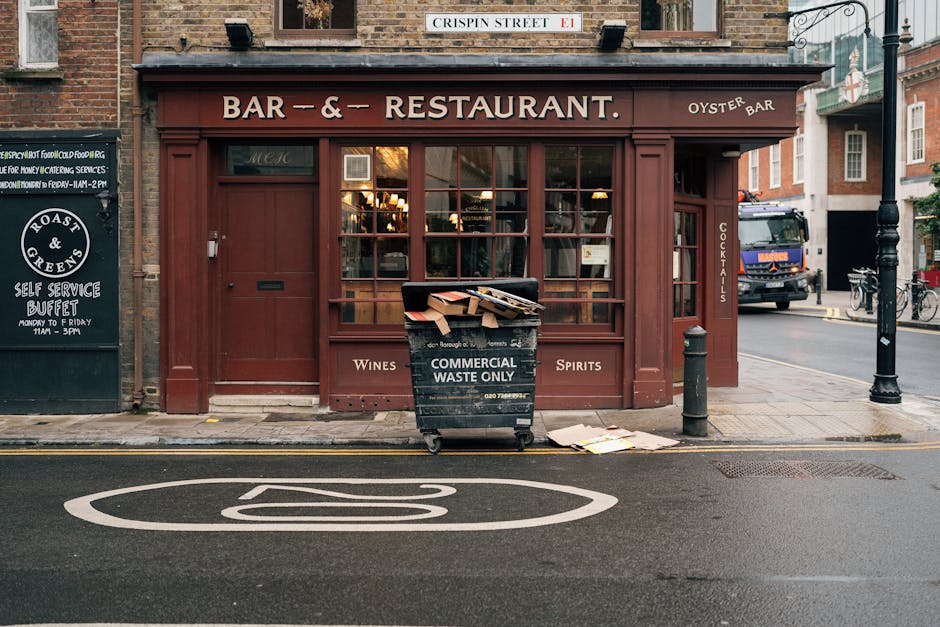
Permits & Fines for Fly-Tipping in Putney: Wandsworth Guide
If you live, work, or manage property in Putney, fly-tipping is one of those problems that can turn up fast and leave a proper mess behind. A sofa dumped by a hedge, black bags beside a low wall, builders' waste left after a quick job, the smell on a warm afternoon - nobody wants it, and the council certainly does not. This guide to Permits & Fines for Fly-Tipping in Putney: Wandsworth Guide explains what counts as fly-tipping, when a permit may be needed, how fines are usually handled, and what sensible steps help you stay on the right side of Wandsworth rules.
It is written for everyday people, not legal specialists. So whether you are a homeowner, tenant, landlord, builder, business owner, or just trying to get rid of waste without trouble, you will find practical answers here. And yes, the difference between lawful waste removal and a nasty fine can be smaller than people think.
Why Permits & Fines for Fly-Tipping in Putney: Wandsworth Guide Matters
Fly-tipping is not just an eyesore. It can block pavements, attract vermin, create trip hazards, and make an area feel neglected. In a busy part of south-west London like Putney, where residential streets, shops, flats, and shared access areas sit close together, one careless disposal can affect a lot of people quickly. It also creates a paper trail problem: once waste appears in the wrong place, questions start flying about who put it there and whether the person responsible had arranged disposal properly.
That is where permits, duty-of-care, and fine risk all meet. If waste is being transported, stored, or placed on public land without the right permissions or paperwork, it can trigger enforcement. And let's be fair, nobody wants a simple clearance job turning into a complaint, a council investigation, or a charge that could have been avoided with a bit of planning.
For local households, this matters when you are clearing after a move, a refurb, a big declutter, or a seasonal deep clean. For businesses, landlords, and contractors, the stakes are even higher because waste responsibility can follow the person who produced it. The safest approach is to treat waste as a compliance issue, not just a practical one.
Practical takeaway: if rubbish is not going into the right bin, collection stream, or licensed disposal route, stop and check before you move it. One quick pause can save a very expensive mistake.
How Permits & Fines for Fly-Tipping in Putney: Wandsworth Guide Works
In plain English, fly-tipping means leaving waste somewhere you are not allowed to leave it. That could be a pavement, verge, alley, communal yard, river path, or any other public or private land without permission. It also includes handing waste to someone who then dumps it illegally. A lot of people miss that last part. If you pay a rogue collector and they tip the load somewhere shady, you may still end up having to explain your role in it.
Permits come into play in a few common situations. If you need to place a skip on a public road, a permit is usually required. If a large van or contractor will be working in a restricted area, parking and access permissions may also matter. For some waste jobs, you might need advance approval from the relevant authority or landowner. The exact process depends on where the waste will sit, who owns the land, and how long it will be there.
Fines, meanwhile, are enforcement tools. In practice, they are used when waste has been dumped illegally, moved improperly, or handled without acceptable proof that it was disposed of correctly. The exact amount or route is not something to guess about because it can depend on the circumstances and the enforcing body. What matters more is understanding the risk factors: poor paperwork, no clear chain of disposal, obstructing the highway, using unlicensed collectors, or leaving waste out in a way that invites complaints.
A useful mental model is this:
- Permit = permission to place or move waste in a controlled, lawful way.
- Fine = penalty after waste has been handled badly or dumped where it should not be.
- Evidence = your receipts, invoices, and collection details showing you acted responsibly.
That evidence matters more than people think. A proper paper trail is often the difference between a quick resolution and a long, annoying back-and-forth.
Key Benefits and Practical Advantages
Doing things properly is not just about avoiding trouble. It also saves time, keeps neighbours happier, and makes cleanup work far smoother. If you are planning a loft clear-out in a terraced street or a post-renovation tidy-up with lots of broken materials, getting your waste route right from the start can remove a surprising amount of stress.
- Fewer enforcement risks: you reduce the chance of penalties linked to illegal dumping or unsuitable placement.
- Better neighbour relations: nobody enjoys seeing a pile of waste sitting outside for days, especially in narrow Putney streets.
- Cleaner handovers: landlords, agents, and tenants avoid awkward disputes about who left what behind.
- Safer site conditions: clear waste routes reduce slips, blocked access, and clutter around entrances.
- Stronger records: if anyone questions your disposal method later, you have something solid to show.
There is also a practical business benefit. For contractors and small firms, compliant waste handling can be a quiet sign of professionalism. It says you respect the property, the street, and the people living around it. That sounds basic, but in real life, basic is often what prevents messy problems.
For households, the advantage is simpler: less hassle. You clear the waste, know where it went, and carry on with your day instead of wondering whether a council officer, neighbour, or landlord might be about to ring.
Who This Is For and When It Makes Sense
This guide is useful for anyone in Putney who is producing, moving, or managing waste. Some readers will be dealing with a one-off situation. Others will be handling waste regularly. Either way, the same core rule applies: do not assume waste can simply be left somewhere because it is inconvenient to keep.
- Homeowners clearing furniture, garden waste, or renovation debris.
- Tenants moving out and needing to avoid end-of-tenancy disputes.
- Landlords and agents managing void periods, communal waste, or abandoned items.
- Builders and tradespeople responsible for rubble, packaging, and job waste.
- Local businesses dealing with stock, packaging, office clear-outs, or fit-out waste.
- Property managers responsible for shared spaces, bin stores, and access routes.
If you are unsure whether your situation needs a permit, a licensed waste arrangement, or simply a more careful collection plan, that is usually the sign to slow down and check. The person who asks the boring question first is often the person who avoids the headache later. Boring wins here.
For example, a resident might place a mattress and old chairs outside a flat because a collection is "coming soon". If that collection is delayed, the items can quickly become a complaint from neighbours or building management. Same waste, different outcome - all because timing and permission were not nailed down.
Step-by-Step Guidance
Here is the safest way to handle waste removal if you want to avoid fly-tipping problems in Putney.
- Identify what you are disposing of. Separate household rubbish, bulky items, garden waste, electricals, builders' waste, and anything potentially hazardous.
- Decide whether the waste will stay on private land, public land, or a shared area. This matters because permissions are different for each.
- Check whether a permit is needed. Skips, road placements, or extended storage on a highway usually need approval. If in doubt, assume it needs checking.
- Choose a lawful disposal route. Use a collection method that gives you clear paperwork and a sensible chain of responsibility.
- Keep records. Save invoices, collection confirmations, and any notes about where waste was taken.
- Make the waste easy to collect. Do not block access, pavement gaps, doors, or shared entrances. Small details matter more than people expect.
- Remove waste promptly. The longer waste sits out, the more likely it is to cause complaints or confusion.
- Follow up if something goes wrong. If a collection is missed or the waste is moved incorrectly, deal with it straight away rather than hoping it disappears.
A short, sensible checklist often works best. In our experience, the most common problems happen at the handover point: someone assumes another person booked the collection, or a contractor assumes the customer understood the disposal plan. Then, oops - a pile of waste is still there on Friday evening.
Expert Tips for Better Results
If you want to stay well clear of fly-tipping trouble, the trick is not to be dramatic. It is to be methodical. That sounds a bit unglamorous, but it works.
- Photograph waste before it leaves the property. Not because you expect trouble, but because a quick visual record can settle disputes later.
- Confirm who is responsible for transport. If someone else collects the waste, make sure you know who they are and how disposal is handled.
- Do not mix "temporary" storage with public space. A bag left "just for a minute" can become illegal placement if it stays longer than expected.
- Use clear written instructions for contractors. A couple of lines can prevent confusion over where waste should go.
- Plan around access times. Narrow roads, school runs, and busy evenings can make collection awkward in Putney, so timing really matters.
One more thing: if a waste solution sounds suspiciously cheap, ask why. Safe disposal costs money because landfill, transfer, labour, and transport are real costs. If someone promises a magic bargain with no paperwork, that is usually the part where you should squint a little and move on.
For bigger clearances, it can also help to pair disposal with a proper tidy-up so there is no leftover dust, packaging, or rubbish trail. Services such as deep cleaning or move-out cleaning often make sense after waste has gone, especially if a property needs to be handed back in decent shape.
Common Mistakes to Avoid
Most fly-tipping issues do not begin with bad intent. They start with rushed decisions, unclear responsibility, or "I thought someone else had it covered." Very human, very expensive.
- Leaving bulky waste on the street too early. If collection is delayed, the waste may be treated as an unlawful obstruction or dumping complaint.
- Using an unverified collector. If they dump your waste illegally, you may still face questions about your responsibility.
- Skipping paperwork. No receipts, no collection note, no evidence - that is a weak position if challenged.
- Putting waste in the wrong communal area. Shared bin stores and service yards can be sensitive areas, especially in flats and managed buildings.
- Assuming garden waste is harmless. Even natural waste can become an issue if it is left where it should not be.
- Ignoring small items. One bag, one chair, one mattress. A small item can still trigger a complaint if it is left in the wrong place.
A lot of people also forget that "permit" and "permission" are not the same thing in practical terms. You might have someone's verbal approval to put something somewhere, but if the land is public or the placement affects traffic, parking, or pedestrians, you may still need an official permit. It is a slightly annoying distinction, but there it is.
Tools, Resources and Recommendations
You do not need a giant toolkit to handle waste well. You need a few simple habits and a couple of reliable touchpoints.
- Waste inventory list: write down what you are disposing of before collection day.
- Photo record: take clear pictures of the waste pile and the cleared area afterward.
- Calendar reminder: make sure collection dates are noted somewhere visible.
- Receipt folder: keep disposal paperwork together rather than scattered through email threads.
- Building rules or tenancy notes: if you live in a managed property, check shared-space expectations before moving items.
If the job involves cleaning after a clear-out, services such as house cleaning, end-of-tenancy cleaning, or one-off cleaning can help reset the property once the clutter is gone. For busier homes or offices, regular cleaning and commercial cleaning keep rubbish build-up down before it becomes a bigger issue.
If you want to understand wider service standards, it can also help to look at a provider's approach to recycling and sustainability, because responsible waste handling is often part of a broader operational mindset, not a one-off task.
Law, Compliance, Standards, or Best Practice
Waste handling in the UK sits within a broader legal and environmental framework. You do not need to memorise every rule, but you do need to understand the basic principle: waste should be stored, transported, and disposed of responsibly, with the right permissions where required and a clear chain of accountability.
In practical terms, that means:
- do not dump waste on land or highway without permission;
- make sure anyone moving your waste is operating legitimately;
- keep evidence that waste was handed over properly;
- follow local rules for skips, bulky collections, and shared spaces;
- treat hazardous items with extra caution.
For businesses, the standard is usually higher because waste generated by commercial activity is easier to trace and more likely to be monitored. For landlords and managing agents, the challenge is often in communal areas and tenancy turnover. For households, the most common issue is simply convenience turning into carelessness. Truth be told, that is where most avoidable problems begin.
If you are unsure about access, contractor conduct, site safety, or handling procedures during a clearance, it is worth reviewing a provider's health and safety policy and insurance and safety information. These are not glamorous pages, but they tell you a lot about how seriously a company takes responsibility.
Options, Methods, or Comparison Table
Different waste situations call for different approaches. Here is a simple comparison to help you decide what fits best.
| Option | Best for | Strengths | Watch-outs |
|---|---|---|---|
| Bulky waste collection | Single large items or small loads | Simple, tidy, usually low-fuss | Needs timing and proper set-out |
| Skip with permit | Renovations, larger clearances | Good for mixed waste and ongoing work | Permit and placement must be checked |
| Managed contractor disposal | Trade jobs, landlord clear-outs, repeated work | Can be efficient and documented | Quality depends on the contractor |
| DIY disposal | Small household loads | Flexible if done correctly | Easy to get wrong without planning |
There is no single "best" option for everyone. A homeowner clearing a spare room probably needs something very different from a shop refit or a block manager dealing with communal waste. The right answer is the one that gives you legal clarity, safe handling, and decent paperwork.
Case Study or Real-World Example
Picture a small flat near Putney with a narrow access road and a basement storage area. The tenant is moving out, the landlord wants the place ready for new viewings, and the old furniture has to go. The first instinct is often to stack everything outside the building for collection the night before. Easy, right?
But if the road is tight, the timing is off, or the collection does not happen when expected, that furniture becomes a problem. Neighbours complain, the building manager wants to know who authorised it, and the waste sits there looking more and more like an invitation for fines or enforcement.
In a better version of the same story, the tenant and landlord agree the disposal plan in advance, the collection is booked for the correct day, the items are moved only when the collector is ready, and photos plus receipts are kept. After the waste is gone, a quick move-in cleaning or domestic cleaning session helps reset the property. Same flat, same furniture, very different outcome. A bit less drama too, which is always nice.
Practical Checklist
Use this checklist before you move or leave any waste in Putney:
- Have you identified exactly what needs disposing of?
- Do you know whether the waste will be on private or public land?
- Have you checked whether a permit or permission is needed?
- Are you using a reputable, lawful collection route?
- Do you have evidence of collection or disposal?
- Is the waste kept away from pavements, driveways, entrances, or shared access?
- Have you planned for delays, weather, or access issues?
- Are any items hazardous, sharp, heavy, or difficult to move safely?
- Have you confirmed who is responsible if the waste is not collected?
- Will the area be cleaned afterward if needed?
If you can tick all ten, you are in a much safer place. Not perfect, maybe, but safe enough to sleep well and not stare at the window every time a council van goes past.
Conclusion
Fly-tipping rules can feel fiddly at first, especially when you are trying to clear waste quickly and move on with your day. But the basic idea is straightforward: use the right permission, keep proper records, and do not leave waste where it should not be. That approach reduces fines, avoids neighbour disputes, and keeps your Putney property or business on solid ground.
The smartest move is usually the unexciting one: plan the disposal, document it, and keep everything tidy from the start. It is a small bit of effort for a very large amount of peace of mind.
Get a free quote today and see how much you can save.
Frequently Asked Questions
What counts as fly-tipping in Putney?
Fly-tipping is the illegal dumping or leaving of waste on land where you do not have permission to place it. That includes streets, pavements, alleyways, communal spaces, and private land if the owner has not agreed.
Do I need a permit to put a skip outside my home?
If the skip is placed on public highway land, a permit is usually required. If it stays entirely on private land, you may still need permission depending on access and local rules. It is worth checking before booking.
Can I get fined if someone else dumps waste for me?
Yes, potentially. If you arranged for waste to be removed but used the wrong person or failed to verify how it would be handled, you may still face questions about responsibility.
Are fly-tipping fines always the same amount?
No. Fines and enforcement outcomes can vary depending on the circumstances, the authority involved, and the seriousness of the issue. The exact response is not something to guess.
What paperwork should I keep when disposing of waste?
Keep receipts, collection confirmations, invoices, and any notes showing who took the waste and where it was meant to go. If challenged later, that record is very useful.
Is leaving rubbish beside a bin store considered fly-tipping?
It can be, especially in shared or managed buildings. If the waste is not placed where it should be, or if it blocks access and remains there, it may lead to complaints or enforcement.
What should I do if my waste collection is delayed?
Move the items back onto private land if you can, and keep them from blocking pavements or shared access. Then contact the collector or responsible party and get a revised plan.
Does garden waste count as fly-tipping?
Yes, it can. Even natural waste becomes a problem if it is dumped unlawfully or left where it should not be. Grass cuttings and branches are not exempt just because they are organic.
How can I check if a waste collector is reliable?
Ask how they dispose of waste, what paperwork they provide, and whether they are clear about collection and transfer. If they avoid simple questions, that is not a great sign.
What is the safest way to avoid fly-tipping problems when moving house?
Book disposal in advance, keep waste on private property until collection, save all records, and avoid putting anything out too early. If there is a lot to clear, combine disposal with a proper clean so the property is ready without lingering clutter.
Can cleaning services help after a fly-tipping issue?
Yes. Once waste has been removed, a thorough clean can help restore the property, especially if there was dust, residue, or general mess. Services such as after builders cleaning and window cleaning can be useful after larger clearances, depending on the job.
What should landlords in Putney watch out for most?
Communal areas, abandoned furniture, and items left after a tenancy end are the big ones. Clear instructions, quick action, and a documented disposal route help prevent disputes and penalties.
Where can I learn more about how a company handles trust, safety, and complaints?
It helps to review pages like about us, complaints procedure, and terms and conditions if you want a fuller sense of how a provider works. That is often a quiet but useful trust check.