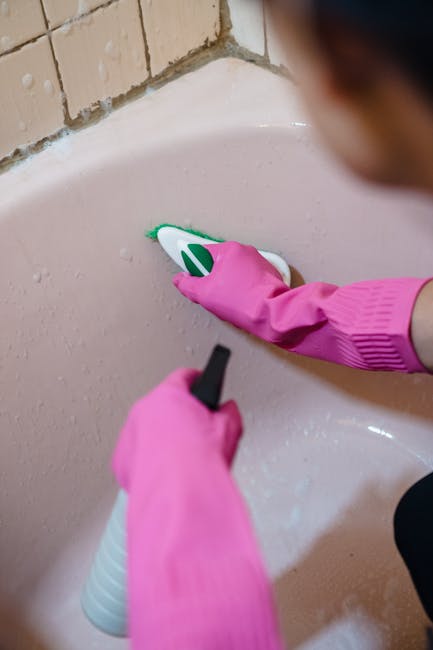
Need Pet Stain & Odour Removal in Putney?
Pet accidents happen. A puppy misses the pad, a cat has a little wobble on the rug, or a favourite sofa ends up carrying a smell you cannot quite shift. If you are looking for Need Pet Stain & Odour Removal in Putney?, you probably want two things at once: the stain gone, and the odour properly dealt with, not just masked for a day or two. Fair enough too. That is the real challenge.
In a busy Putney home, pet stains can sink into carpet fibres, underlay, upholstery, and even mattresses before you realise what has happened. The quicker you act, the better the outcome usually is. But even older marks can often be improved with the right process, patience, and a bit of know-how. This guide explains how pet stain and odour removal works, what to do first, what to avoid, and when a professional clean makes the most sense.
It also covers the practical stuff people forget to ask about: which surfaces are hardest to treat, why some smells keep coming back on damp mornings, how to compare your options, and how to prepare a room before a clean. Let's get into it.
Why Need Pet Stain & Odour Removal in Putney? Matters
Pet stains are not just a cosmetic issue. Once moisture gets into carpet backing, underlay, skirting edges, or soft furnishings, odours can settle in and become stubborn. You may clean the visible mark and still notice a faint smell every time the weather turns damp or the heating comes on. That is because residue can remain deep in the fibres, and urine especially can crystallise or linger in hidden layers.
In Putney homes, this matters for a few very ordinary reasons. Flats and terraces can be compact, so smells travel quickly. Hallways, living rooms, and stairs often get regular foot traffic, which can spread contamination. And if you have visitors, tenants, or children around, a hidden stain can become a recurring nuisance rather than a one-off incident. Truth be told, the "I'll deal with it later" approach rarely works out well here.
There is also the hygiene side. Pet mess can attract bacteria, encourage repeated marking by pets, and leave fibres looking dull or discoloured. If the stain has soaked into a rug or sofa, DIY spot cleaning may only treat the surface. The result? A cleaner-looking patch, but a smell that resurfaces after a few days. That's the annoying bit.
If you are juggling a busy household, a rental move, or a property you want to keep fresh, proper stain and odour removal is worth taking seriously. It protects the surface, improves the room's feel, and helps stop the cycle of repeat accidents.
How Need Pet Stain & Odour Removal in Putney? Works
At a practical level, pet stain and odour removal is about three things: identifying the material, locating how deep the contamination goes, and applying the right cleaning method without pushing the problem further in. That last part matters more than people think. Scrubbing too hard or soaking the area can drive liquid deeper into the backing or upholstery filling.
A good process normally starts with inspection. A technician will look at the type of surface, the age of the stain, the extent of the odour, and whether the damage is localised or widespread. Carpet, wool rug, synthetic fibre, fabric sofa, and mattress all behave differently. No single spray fixes everything, which would be convenient but, let's face it, a bit too easy.
From there, the area is usually treated with a suitable pre-spray or stain solution. For biological stains such as urine, an enzyme-based treatment may be used where appropriate because it helps break down the organic residue rather than just covering the smell. Then the surface may be agitated lightly, extracted, rinsed, and dried carefully. If the stain has reached deeper layers, repeat treatment or a more intensive cleaning approach may be needed.
Odour treatment is not only about fragrance. Proper deodorising focuses on the source. In some cases, the issue is residue in the fibres; in others, it is trapped in underlay, cushions, or foam. That is why a surface that looks clean can still smell off if the deeper layers were missed. A quick masking spray may make the room smell like synthetic lemons for an hour. Not exactly the same thing.
For furniture and floor coverings, careful drying is a key part of the result. If the area stays damp too long, odours can linger or return. Good ventilation, controlled moisture use, and sensible post-clean drying help prevent that. It sounds basic, but in practice it makes a real difference.
Key Benefits and Practical Advantages
Done properly, pet stain and odour removal offers more than a fresher smell. It can restore how a room feels and save you from replacing items too early. That matters when a rug was expensive, a sofa is still in good shape, or the carpet simply needs a proper rescue rather than a goodbye.
- Better hygiene: removes residue that may otherwise continue to affect the room.
- Odour control at the source: deals with smells hidden below the surface, not just the visible mark.
- Improved appearance: lifts staining, brightens fibres, and reduces dull patches.
- Longer life for furnishings: early treatment can help avoid permanent damage.
- More comfortable living space: especially useful in smaller Putney homes and flats.
- Better rental presentation: helpful before inspections, move-outs, or guest arrivals.
There is also a psychological benefit that people sometimes overlook. A clean-smelling home is easier to relax in. You stop noticing the room every time you walk past it. That constant background worry disappears, and the place feels normal again. Simple, but valuable.
If the stain sits on a carpet or rug, related services such as carpet cleaning or rug cleaning may be the right fit. For settees, armchairs, and dining chairs, sofa cleaning and upholstery cleaning are often the more suitable route.
Who This Is For and When It Makes Sense
This service is useful for a wide range of Putney residents and property owners. If you have pets, the need is obvious. But the situations are broader than that. Sometimes the issue is a guest pet that had one accident. Sometimes it is a tenant handover. Sometimes it is a long-standing smell that no one has wanted to mention out loud. Awkward, yes. Common, also yes.
You may need pet stain and odour removal if you are:
- dealing with repeated pet accidents on carpet, rug, sofa, or mattress;
- trying to restore a room before a sale, rental check, or new tenancy;
- noticing a faint smell that returns after cleaning the surface;
- living in a flat where odours seem to travel and settle quickly;
- preparing a room for children, guests, or a more hygienic day-to-day environment;
- wanting to avoid replacing furniture that still has usable life left.
It also makes sense when the stain is older than you first thought. Maybe you saw a patch weeks ago, cleaned it, and moved on. Then the smell came back after a warm spell. That is usually a sign the issue is deeper than the top layer. In those cases, a more thorough clean can be far more effective than repeating the same home remedy again and again.
If the problem is part of a larger refresh, a broader deep cleaning visit can be a sensible choice. For landlords, tenants, and moving households, combining treatment with end of tenancy cleaning or move out cleaning can save time and reduce stress.
Step-by-Step Guidance
If you want the best possible result, timing and method matter. Here is a practical approach that works well in real homes.
- Blot first, don't scrub. Use clean absorbent cloths or paper towels to lift as much moisture as possible. Press gently. Rubbing can spread the stain and rough up the fibres.
- Identify the surface. Carpet, rug, sofa fabric, leather, and mattress all need different treatment. What works on one can damage another.
- Test any product carefully. If you are using a home cleaner, check a hidden spot first. Colour loss and fibre damage are easier to cause than people expect.
- Treat the source, not just the scent. Odour removers that only smell nice are not enough. Look for proper stain extraction or biological residue treatment where suitable.
- Use controlled moisture. Too much liquid can push contamination deeper. That can make the problem worse, especially on underlay or foam.
- Dry thoroughly. Open windows if possible, use airflow, and keep pets away until the area is properly dry.
- Reassess after drying. Sometimes a stain looks lighter when wet, then becomes visible again once fully dry. Annoying, but normal.
- Repeat only when appropriate. Old pet urine stains may need more than one treatment, particularly on absorbent materials.
If you are unsure how far the contamination has gone, do not guess. A quick assessment can save a lot of trial and error. Sometimes the smartest move is simply to stop poking at it with supermarket spray and get a proper opinion.
Expert Tips for Better Results
Here are the bits people often miss, but they make a real difference in the end result.
- Deal with stains quickly. Fresh accidents are always easier to treat than dried ones.
- Check under the surface. If a carpet smells but looks fine, the underlay may be holding residue.
- Use neutral, low-residue products where possible. Heavy product build-up can leave fibres sticky and attract dirt.
- Keep pets away during treatment. They are curious little creatures and will happily return to the same spot if it still feels familiar.
- Protect nearby areas. If one sofa cushion has been affected, the surrounding fabric may also need attention.
- Work with the room's airflow. In a stuffy Putney flat on a wet afternoon, drying takes longer than you think.
A small but important point: if an area has been repeatedly marked, the issue may be behavioural as much as cleaning-related. That does not mean cleaning will fail. It just means the treatment needs to be thorough enough to remove the scent trace that invites repeat accidents.
For households that want a more regular maintenance rhythm, pairing this kind of clean with regular cleaning or a one-off reset through one-off cleaning can keep the whole home feeling more under control.
Common Mistakes to Avoid
Most disappointing results come from a handful of very normal mistakes. Nothing dramatic. Just a few habits that backfire.
- Using too much water. This is probably the biggest one. More liquid does not equal better cleaning.
- Scrubbing aggressively. It pushes stain particles deeper and can damage pile or fabric texture.
- Masking the smell instead of removing it. Air fresheners can make the room smell nicer for a moment, but the source remains.
- Ignoring the underlay or cushion filling. A surface clean can leave the real contamination untouched.
- Waiting too long. The longer the stain sits, the more likely it becomes permanent.
- Mixing products. That is a bad idea with many cleaning chemicals, and it can be risky.
There is also the "I'll just keep trying this until it works" approach. Honestly, that one costs more in the long run. You can end up driving the stain down, spreading the odour, and making the fabric harder to recover later. Bit of a nightmare, really.
Tools, Resources and Recommendations
You do not need a van full of specialist gear for every spill, but the right tools matter. For light fresh marks, a few simple items may be enough to start the process. For deeper stains, professional extraction equipment is usually more effective because it removes moisture and residue from further down in the pile.
Useful tools and materials include:
- clean white cloths or paper towels for blotting;
- a soft brush for gentle agitation on carpets or rugs;
- an enzyme-based treatment where suitable for biological odours;
- a neutral carpet or upholstery cleaner designed for the material;
- good ventilation, ideally with open windows or airflow;
- protective gloves if you are handling older contamination;
- an extraction machine for deeper carpet or upholstery work.
If the stain is on a mattress, approach it with extra care. Mattresses absorb liquid deeply and dry slowly, which makes odour treatment more delicate. In many cases, mattress cleaning is the safer route than multiple DIY attempts.
For soft furnishings that have absorbed both stain and smell, a professional sofa cleaning or upholstery cleaning approach is usually more reliable. And if the issue covers several rooms, a broader house cleaning visit can tie everything together neatly.
Law, Compliance, Standards, or Best Practice
Pet stain and odour removal is not usually about legal compliance in the strict sense, but there are still sensible best-practice standards to follow. In shared buildings, rental homes, and workplaces, cleanliness affects comfort, hygiene, and the condition of surfaces. Where a lease, tenancy, or property agreement applies, it is wise to check what is expected before moving out or handing back keys.
From a safety perspective, cleaning products should be used according to label instructions, especially where ventilation is limited. That matters in bathrooms, hallways, and enclosed flats. Keep pets and children away from freshly treated areas until dry, and avoid combining different chemical products unless you know they are compatible.
For landlords and tenants, documentation can help if there is any doubt about condition at the end of a tenancy. A brief record of what was cleaned, when, and how can be useful. Not everything needs to become a big formal process, but a little clarity goes a long way.
Good practice also means using appropriate methods for the material. A wool rug should not be treated like a synthetic hallway runner. A textured sofa requires a different touch from a flat-weave carpet. That sounds obvious, yet plenty of problems begin with a one-size-fits-all product used in a hurry.
If you want peace of mind on how the work is carried out, it can be reassuring to review pages such as insurance and safety and health and safety policy. For pricing, service scope, and booking expectations, pricing and quotes is also worth a look.
Options, Methods, or Comparison Table
Choosing the right approach depends on the stain, the smell, and the surface. Here is a straightforward comparison.
| Method | Best for | Strengths | Limitations |
|---|---|---|---|
| Blotting and mild home treatment | Fresh, small spills on sturdy fabrics | Quick, low-cost, useful as first response | May not remove deep odour or old stains |
| Targeted spot cleaning | Specific visible marks on carpet or upholstery | Better than generic cleaning, more controlled | Can leave residue or miss the backing layer |
| Professional carpet extraction | Carpets, rugs, and larger affected areas | Deeper clean, stronger stain and odour removal | Needs drying time and material suitability checks |
| Professional upholstery treatment | Sofas, chairs, cushions, and fabric seating | More careful on delicate materials, better odour control | Not every fabric can be treated the same way |
| Replacement | Severe contamination or damaged foam/underlay | Guaranteed reset, no lingering contamination | Usually the most expensive and least sustainable option |
In many real cases, the best answer is a blend of methods. A surface spot clean followed by proper extraction can work well. If the odour is in the cushion filling, though, the treatment needs to go deeper. There is no shortcut around that, which is mildly irritating but true.
Case Study or Real-World Example
Here is a typical Putney-style scenario. A household with a young dog notices a patch on the living room carpet near the sofa. At first, it looks manageable. They clean it with a standard spray and the stain fades, so they assume the job is done. A week later, on a damp evening, the room smells faintly of urine again. Not dramatic, just enough to notice.
On inspection, the top fibres were cleaner but the underlay had kept some residue. The treatment needed to be more targeted, with careful extraction and a proper deodorising step. The affected area was then dried thoroughly and checked again after a few hours. The visible mark improved, and the smell reduced much more noticeably once the deeper contamination had been dealt with.
The lesson is simple: what you can see is not always the whole story. In homes with pets, the first clean often removes the obvious sign, but the smell can remain hidden below the surface. If the room still feels "off", trust that instinct. Usually, it means the work is not fully finished yet.
A similar situation comes up with sofas. One family might spot a small accident on a cushion and think the loose cover has saved the day. But if the padding beneath is affected, the odour can drift back every time someone sits down. That is exactly where sofa cleaning becomes useful, because the issue is often deeper than the cover alone.
Practical Checklist
Use this quick checklist before and after treatment. It keeps things calm when the room is a bit of a mess and everyone is in a hurry.
- Blot the spill as soon as possible.
- Do not scrub the stain hard.
- Check what surface you are treating.
- Use a suitable cleaner for the material.
- Avoid soaking the area.
- Ventilate the room well.
- Keep pets away until dry.
- Recheck for smell after the area dries.
- Consider deeper treatment if the odour returns.
- Book a professional clean if the stain is old, large, or on delicate fabric.
If you are preparing a home for guests, tenants, or a move, it can also help to combine stain treatment with one-off cleaning or move in cleaning so the space feels properly reset rather than just patched up.
Get a free quote today and see how much you can save.
Conclusion
Pet stain and odour removal is one of those jobs that seems small until it is sitting in the middle of your day, your carpet, or your favourite chair. If you act quickly, use the right method, and treat the source rather than the smell, the results can be much better than expected. If the stain is older or the odour keeps coming back, that is usually a sign the problem has gone deeper than the surface.
For Putney homes, the smartest approach is often the practical one: assess the material, avoid over-wetting, and choose a method that suits the surface and severity. Sometimes that means a careful DIY start. Sometimes it means bringing in help for a more thorough clean. Either way, a fresher, calmer room is absolutely possible.
And honestly, there is something satisfying about walking back into a room and not noticing the problem anymore. Quietly satisfying. The sort of result that makes the whole place feel better straight away.
Frequently Asked Questions
How do I know if pet odour is in the carpet or deeper ????
If the smell gets stronger when the room is warm, damp, or vacuumed, it often suggests the odour is deeper than the surface fibres. A visible stain can look minor while the underlay still holds residue.
Can I remove pet urine smell with household products?
Sometimes for fresh, small accidents, yes. But household products often only help on the top layer. If the smell returns after drying, the contamination is probably deeper and needs a more thorough treatment.
Why does the stain come back after I clean it?
That usually happens because residue remains in the backing, underlay, cushion filling, or fabric base. When the area dries, the remaining contamination becomes more noticeable again.
Is it safe to use bleach on pet stains?
Generally, bleach is not a good choice for carpets, rugs, or upholstery. It can damage fibres, affect colour, and create more problems than it solves. A material-appropriate cleaner is safer.
How long does pet stain and odour removal take?
The cleaning itself may not take long, but drying time matters. Light jobs may dry fairly quickly, while deeper carpet or upholstery treatment can take longer depending on ventilation, fabric type, and how much moisture was used.
Can pet stains be removed from sofas?
Often, yes, especially if treated promptly. Fabric type, cushion construction, and how deep the contamination goes all affect the outcome. That is why sofa and upholstery cleaning are handled differently from hard surfaces.
What is the best way to deal with old pet stains?
Old stains usually need a deeper, more controlled approach than fresh spills. The longer the contamination has sat, the more likely it is to have reached lower layers, so repeated spot cleaning alone may not be enough.
Will odour removal also remove the stain?
Not always. Odour treatment and stain lifting are related, but they are not identical. Some products focus on smell, while others focus on visible marks, so the right process may need both.
Should I clean the whole room or just the affected spot?
If the issue is truly localised, a targeted treatment may be enough. If there are several accidents, a lingering smell, or the room has not had a proper refresh in a while, a broader clean can give a more even result.
Is this service useful before moving out of a property?
Yes, very often. Pet stains and smells can affect the condition of carpets and soft furnishings at handover, so combining treatment with move-related cleaning can reduce avoidable stress.
Can pet odour be removed from a mattress?
Sometimes, but mattresses need careful handling because they absorb liquid deeply and dry slowly. If the stain or smell has spread, professional mattress cleaning is usually the safer and more effective option.
What should I do before a professional cleaner arrives?
Clear the area if possible, point out the affected spots, and avoid adding more products to the stain. If you know when the accident happened and what caused it, mention that too. Small details can help the cleaner choose the right approach.
How do I choose between carpet cleaning and upholstery cleaning?
If the issue is on floor coverings, carpet or rug cleaning is the right path. If it is on sofas, chairs, or other fabric furniture, upholstery or sofa cleaning is usually more appropriate. The surface decides the method more than the stain itself.
What if my pet keeps returning to the same spot?
That can happen if the scent remains in the area. A thorough clean that removes the odour source is often the first step, but you may also need to adjust the pet's access or routine so the habit does not continue.